A Comprehensive Roadmap for Long-Term Organic Success

eCommerce is altering. For the better. In the vibrant digital landscape of 2025, driving consistent, top quality traffic to your site is more essential than ever. While paid marketing has its location, the pursuit of organic traffic development remains a foundation of sustainable online success. Organic trafficvisitors who find your site through unpaid online search engine resultsis not only cost-effective however also instrumental in developing brand name authority and cultivating long-term consumer relationships.
This guide explores the principles of natural traffic development, offering useful techniques and insights to assist you improve your website's presence and attract your target audience without sustaining substantial expenses. Organic traffic refers to visitors who get to your website as a result of unsettled ("organic") search results page. When users type an inquiry into a search engine like Google, the list of sites they see in the non-ad area generates organic traffic when clicked.
Here's why organic traffic is essential: Cost-Effectiveness: Unlike paid search or social networks advertisements, every click from a natural search engine result is totally free, offering a high ROI with time. Builds Trust and Credibility: Users typically position more rely on natural search engine result than in sponsored ads. A high ranking signals to users that your website is a trustworthy and pertinent source of info.
Mastering the Searcher Intent SEO Formula
Greater Conversion Possible: Visitors showing up from organic search often have a particular intent. If your content matches that intent, they are more most likely to convert, whether that means buying, registering for a newsletter, or filling out a contact type. Enhances Brand Authority: Consistently appearing in search results page for pertinent keywords establishes your brand name as an authority in your niche.
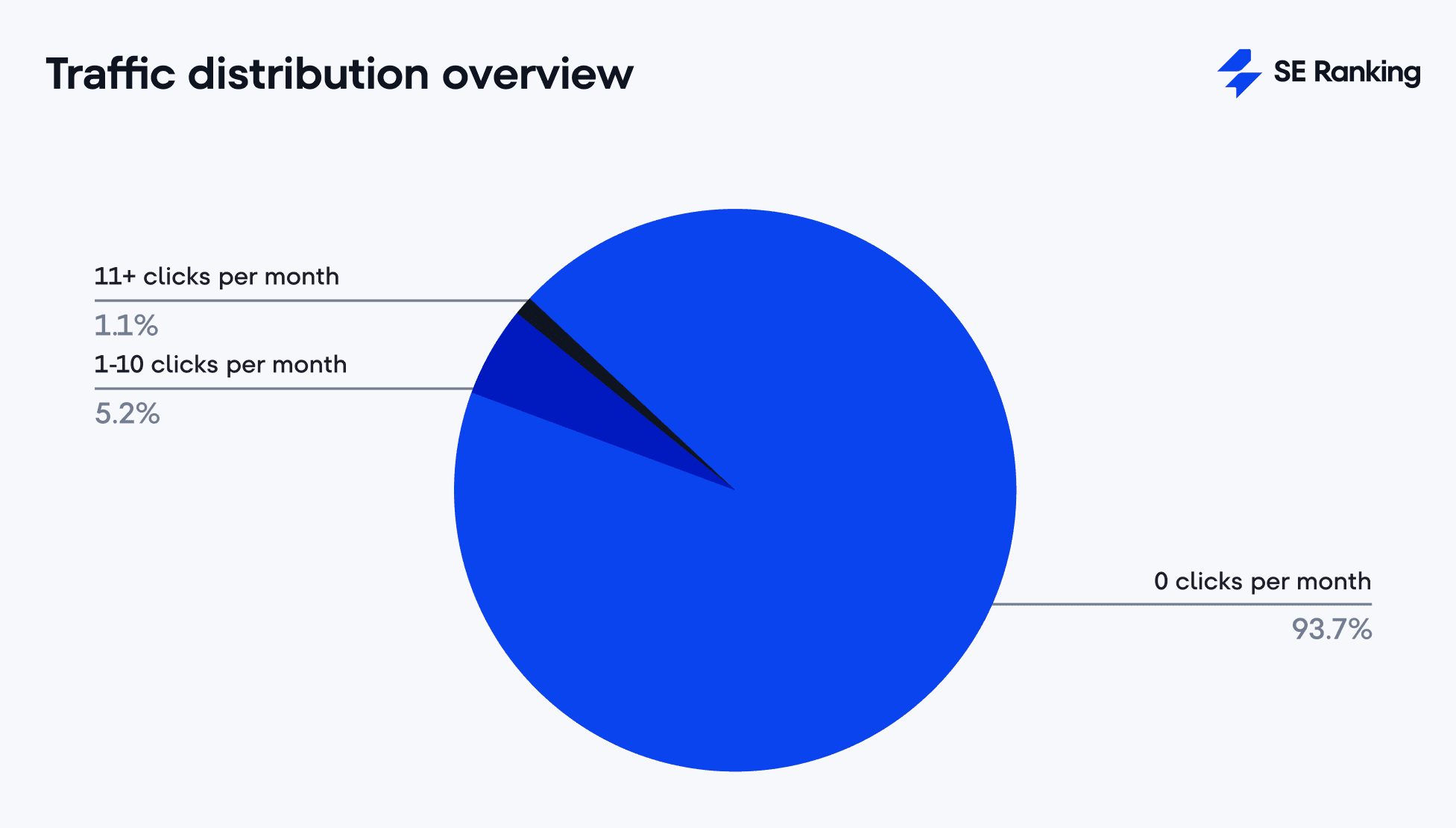
The top organic result in Google Search has a typical click-through rate that is considerably higher than that of results in lower positions. Driving natural traffic isn't about a single tactic; it's about a holistic method constructed on a number of crucial pillars.
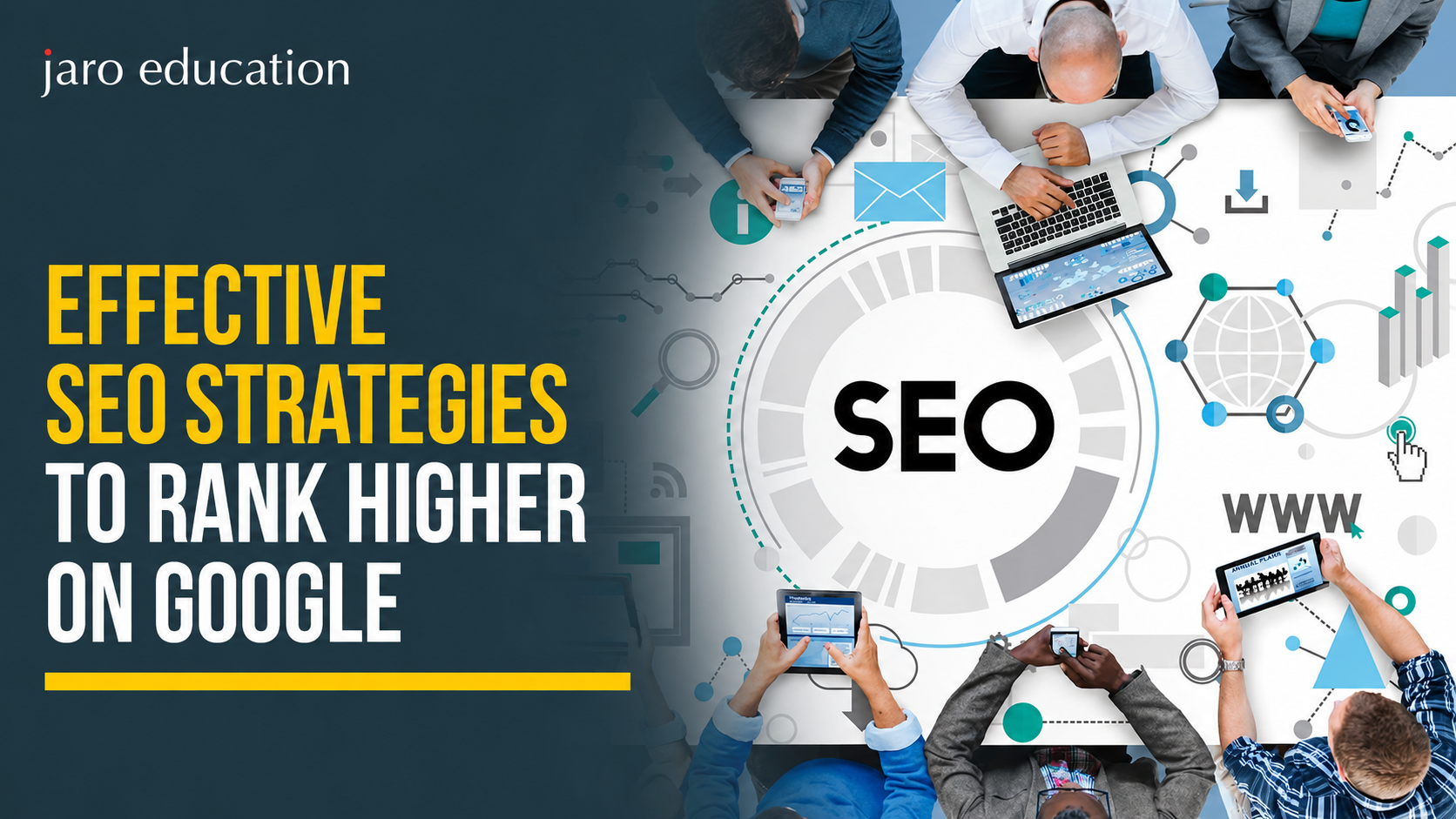
It's a diverse discipline encompassing: On-Page SEO: This involves optimizing individual websites to improve their ranking and bring in more appropriate traffic. Secret aspects consist of keyword research study and combination, crafting engaging meta descriptions and title tags, using header tags successfully, and optimizing images with alt text. Off-Page SEO: These are actions taken beyond your site to impact your rankings within SERPs.
Technical SEO: This guarantees that search engines can successfully crawl, index, and comprehend your site. Key aspects include site speed, mobile-friendliness, site architecture, XML sitemaps, and structured information. User Experience (UX) Signals: Search engines progressively prioritize user experience. Factors such as bounce rate (the percentage of visitors who leave your website rapidly), time on page, page load speed, and mobile responsiveness can impact your rankings.
Modern Tactics to Dominating the Search Landscape
For circumstances, brand names frequently concentrate on delivering the very best consumer experience, which can result in complicated tech stacks that include heavy third-party innovations, possibly dragging down site speed. Content is the currency of the internet. To draw in natural visitors, you need to produce high-quality, valuable, and appropriate material that answers your audience's concerns, solves their issues, or captivates them in a meaningful way.
It offers: Fresh, Authentic Content: Search engines favor sites that are regularly upgraded with fresh material. Long-Tail Keywords: Customers frequently use natural, long-tail keywords in their reviews, which can help you rank for a more comprehensive range of search inquiries. Social Proof and Trust: User-Generated Material (UGC) fosters trustworthiness and trust, leading to boosted engagement metrics.
By simplifying the collection and display screen of client reviews, Yotpo helps brands generate a continuous stream of authentic, keyword-rich material. On average, brands utilizing Yotpo Item Evaluations collect 6x more reviews and user-generated material than with alternative solutions. Research study shows that having just 100 evaluations on a product page can more than double the conversion rate for that product.
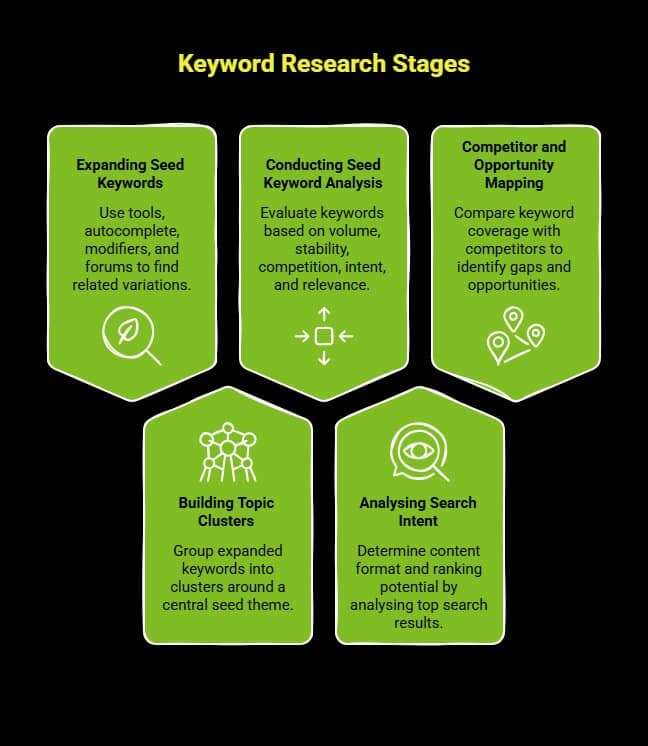
Here are key strategies to implement: Comprehending what your target market is looking for is the structure of any successful SEO technique. Understand Search Intent: Figure out whether users are searching for information (informational), attempting to discover a specific website (navigational), all set to purchase (transactional), or investigating before buying (commercial).
Mastering the User Experience and Formula
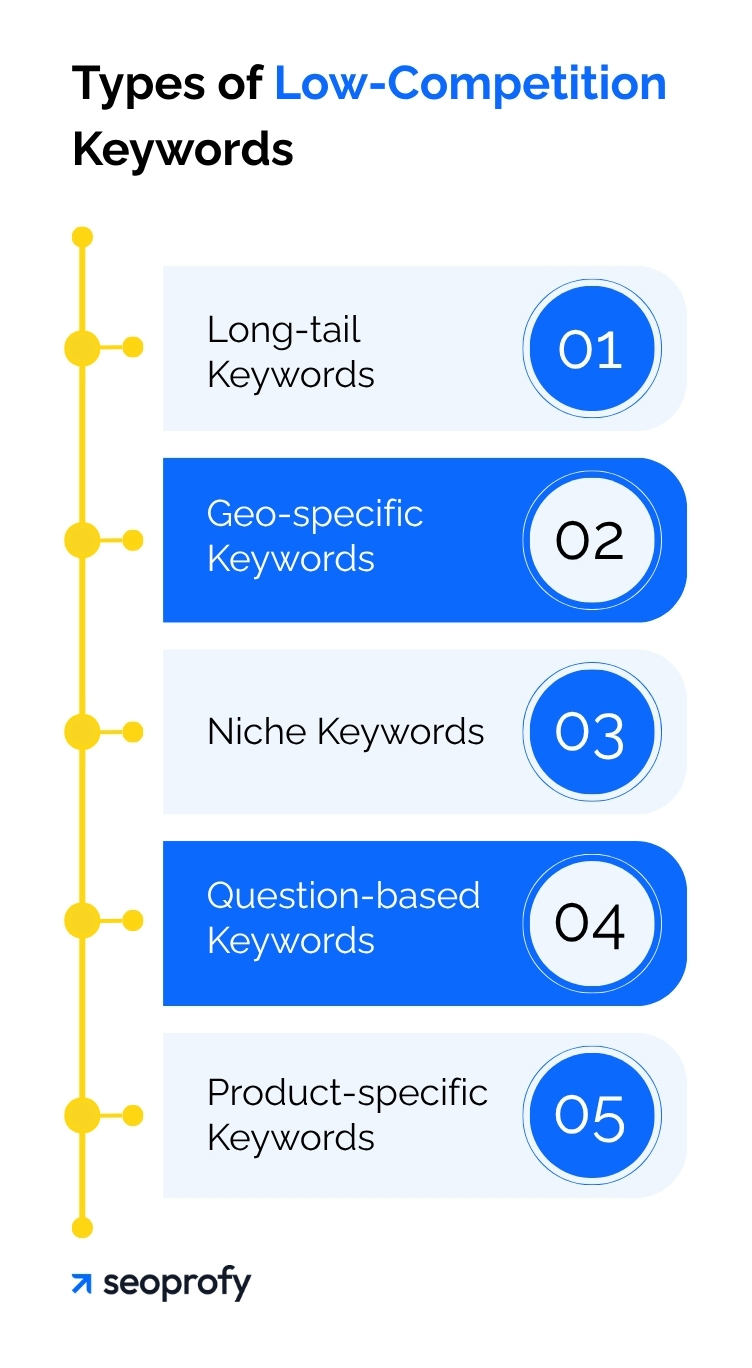
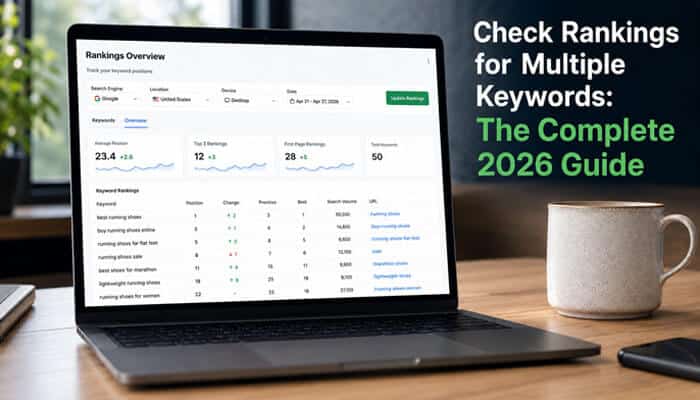
Use tools to find variations, including short-tail (broad) and long-tail (more particular) keywords. Evaluate Competitors: See what keywords your rivals are ranking for. Keyword Research Tools: Different tools are available to help in this procedure. For example, Moz offers tools like Keyword Explorer for basic SEO needs. As soon as you have recognized your keywords, the next step is to develop content that successfully targets them while supplying genuine value to your audience.

%20SEO%20Basics%20for%20Students%20How%20to%20Rank%20Your%20First%20Website%20in%20Google%20(2026%20Guide).png)