Building Scalable Search Blueprints for Fast Growth
Complete the social media, neighborhood presence, and brand points out sections in the template. If you take on other organizations in a particular geographical location, aspect regional SEO into your competitive analysis. Do this by evaluating their Google Organization Profile (GBP), evaluates, and exposure for regional searches. For each of your direct rivals, examine if they have a GBP set up.
In addition to evaluating reviews, determine your rivals' exposure in local searches. If you have a canine grooming service in San Francisco, you might examine rival presence for inquiries like: Canine grooming in San Francisco Pet groomers in San Francisco Pet dog groomers near Pacific Heights, San FranciscoFor these queries, log which rivals show up and where they rank in regional search results compared to you.
Log GBP information, regional search rankings, and AI platform leads to the design template. The 8 steps we've covered above need to give you substantial insights into your rivals' presence across search and AI platforms. You ought to understand their strengths and weak points, and have an excellent idea of where to focus your material method to get and stay ahead.
Comparing Legacy SEO Tactics Against 2026 Trends
The "Monthly Competitor Analysis" template breaks down rival traffic efficiency, backlinks, paid search, and social media.

Have you ever tried to compare your SEO to competitors? Competitive analysis in SEO might seem like it ought to be booked for agencies with their pricey tools and years of experience.
Money Robot diagrams shortcutWe wager you'll even discover some opportunities to strengthen your own. All set to learn how to inspect rival SEO? Here's what you need to know. DIY rival analysis is possible even without access to company tools. Agencies analyze technical, structural, content, and off-site indicators to determine SEO health. A mix of free and paid tools makes it possible to evaluate rival performance.
Money Robot diagrams shortcutMaximizing SEO Performance in a Hyper-Competitive Environment
You've become aware of competitive analysis, however do you really understand what it implies? What about how to do rival analysis for SEO? An SEO competitor analysis evaluates how other websites rank, generally in organic Google search results, what elements add to their exposure, and where opportunities exist for your own material.
Agencies typically do have the advantage of experience and access to innovative tools. Still, marketing supervisors, content developers, and company owner can all get significant insights by following a structured process like the one we will break down for you. As you analyze rivals, record not just what they do well but what they regularly overlook.
An SEO rival isn't always the very same as a market competitor. A market rival offers similar products or services. Market competitors tend to be direct rivals because you're competing for the same dollars. An SEO competitor, on the other hand, ranks for the keywords you desire, even if they're not in your market.
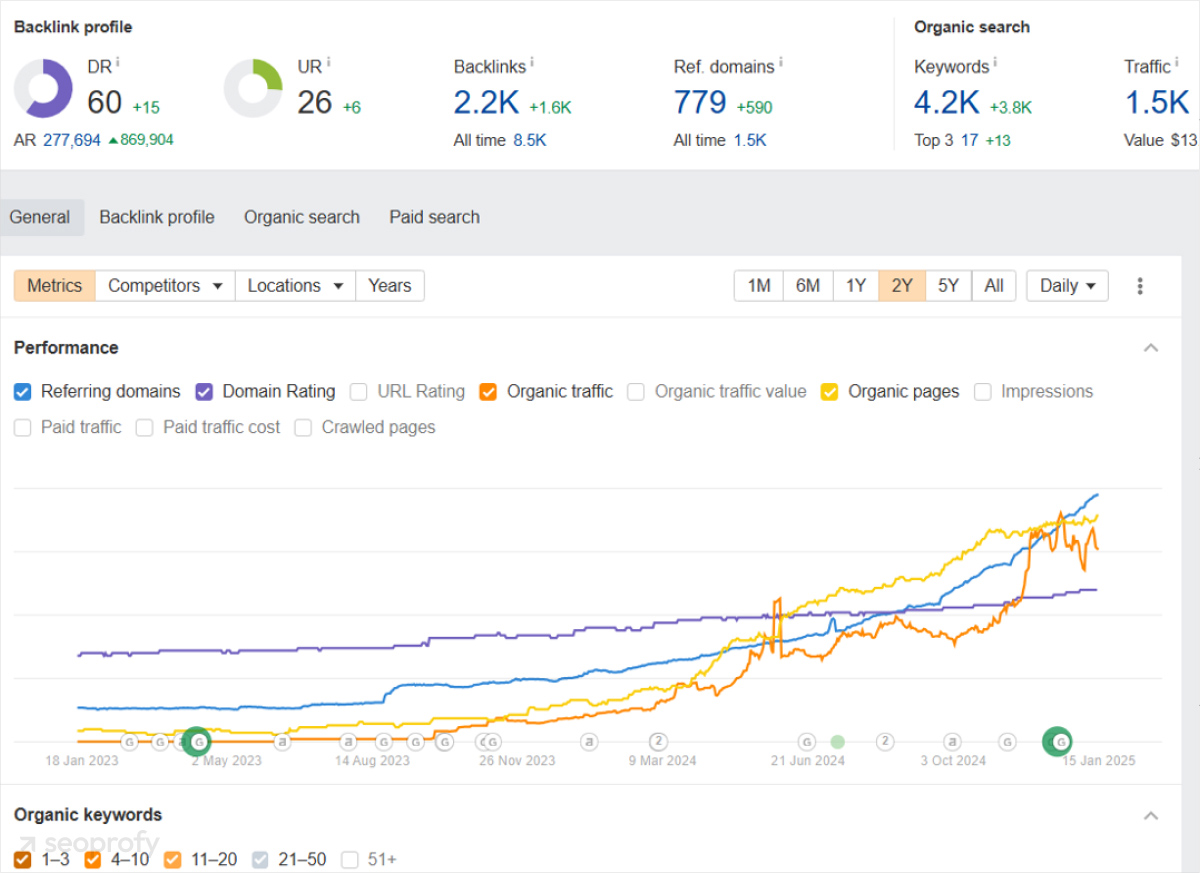
How do you determine your SEO competitors?: Enter your target keywords into Google and write down the domains that appear repeatedly.: Use platforms such as Semrush or Ahrefs to generate lists of domains ranking for your keyword set.
: Observe rivals who regularly reveal up in knowledge panels, image packs, or other SERP features. When you evaluate rivals, you can't see their GA4 or GSC data, however you can still examine crucial factors.
Why 2026 SEO Trends Are Shaping Digital Marketing
Agencies often do have the benefit of experience and access to sophisticated tools. Still, marketing supervisors, content creators, and service owners can all get significant insights by following a structured procedure like the one we will break down for you. As you evaluate competitors, record not just what they succeed however what they consistently disregard.
But an SEO rival isn't constantly the like a market rival. A market rival offers comparable service or products. Market rivals tend to be direct competitors since you're contending for the exact same dollars. An SEO rival, on the other hand, ranks for the keywords you want, even if they're not in your industry.
How do you determine your SEO competitors?: Enter your target keywords into Google and write down the domains that appear repeatedly.: Use platforms such as Semrush or Ahrefs to produce lists of domains ranking for your keyword set.
Winning in Difficult Niches Using High-Level Insights
: Observe rivals who often reveal up in understanding panels, image packs, or other SERP functions. Screen websites that rank for your long-tail keywords even if they are outside your market. Forums, blog sites, and news websites typically take traffic you could record with niche material. When you assess rivals, you can't see their GA4 or GSC information, however you can still evaluate crucial aspects.