Crucial Digital Marketing Trends Defining 2026

Your admissions funnel starts on a 6-inch screen; make sure it works there. Every program page need to have clear next steps: apply, request info, schedule a go to, talk to an advisor. No CTA? Your page is politely waving at trainees from the back row. Go through your top 10 program pages today and confirm that each has at least one prominent, particular next action above the fold.
Outdated info is a trust-killer for prospective students and a signal to AI that your material isn't being preserved. If a student discovers a deadline that's six months old, they'll wonder what else is out of date.
Fresh material keeps humans interested and signals to online search engine and AI that your pages are actively kept. A program page that hasn't been touched in 2 years is leaving presence on the table. Who's visiting? Where are they dropping off? What's converting? Track traffic, rankings, and inquiry form submissions.
Without it, you're enhancing based on gut sensations rather of proof. Set up a basic monthly dashboard if you do not currently have one. Usage Google Analytics 4 (GA4). It's free and likely currently on your site. Tracks traffic, habits, and conversions. If it's not set up, your web team can add it in under an hour.
Run a crawl with a free tool like Yelling Frog or Ahrefs, fix or redirect what you discover, and document what broke so you can avoid it next time. This is the digital equivalent of making sure the front door isn't locked when someone attempts to visit. Videos, infographics, and trainee outcome charts.
Upcoming Digital Marketing Trends Shaping 2026
Include captions, records, and alt text so every piece of media is as available and indexable as your composed content. A two-minute professors intro video with a records does double duty: it transforms unsure students and adds indexable content to the page. Trainee reviews, alumni spotlights, social posts, and capstone projects.
And, they add rich, natural language that AI tools recognize as genuine context. Collect one brand-new story per program per term, and you'll develop a considerable property in time. Point out trusted sources: Bureau of Labor Statistics information, market reports, accreditation bodies, and peer-reviewed research. Constructs credibility with potential students and signals to platforms that your material is grounded in reliable details.
Search behavior shifts. Build a quarterly rhythm: review analytics, check AI presence, audit leading program pages, and upgrade what's stagnant. If there's one thing this list makes clear, it's that SEO isn't a single task it's a routine.
They're doing the basics well, keeping what they have actually built, and staying curious about how trainees search. Include two more next week.
High-Level Insights to Improve Global Visibility
The goes further. We offer much deeper dives into the subjects that tend to produce the most concerns: schema markup, AI auditing, GEO method, and developing a material structure that holds up as search behavior continues to shift. If a suggestion in this blog site made you think, "Okay, but how do I really do that?", the playbook is your answer For most of these suggestions, copy updates, meta descriptions, internal links, image alt text, not usually.
Schema markup and page speed enhancements are the exceptions; those typically require web group participation. Ranking enhancements from structural changes usually take four to twelve weeks to reveal in search data.
AEO (Response Engine Optimization) focuses on structuring content so AI tools can pull it as a direct response. GEO (Generative Engine Optimization) is about developing enough topic depth and authority across your site that AI sees you as a credible source on a topic. In practice, excellent SEO prepares for both AEO and GEO.
Modern Strategies for Boosting Inbound Reach
TThe simplest audit: open ChatGPT, Claude, or Gemini and search for your programs the way a trainee would. Take notes on what shows up and what does not. Ask the AI platform why your pages didn't make the cut.
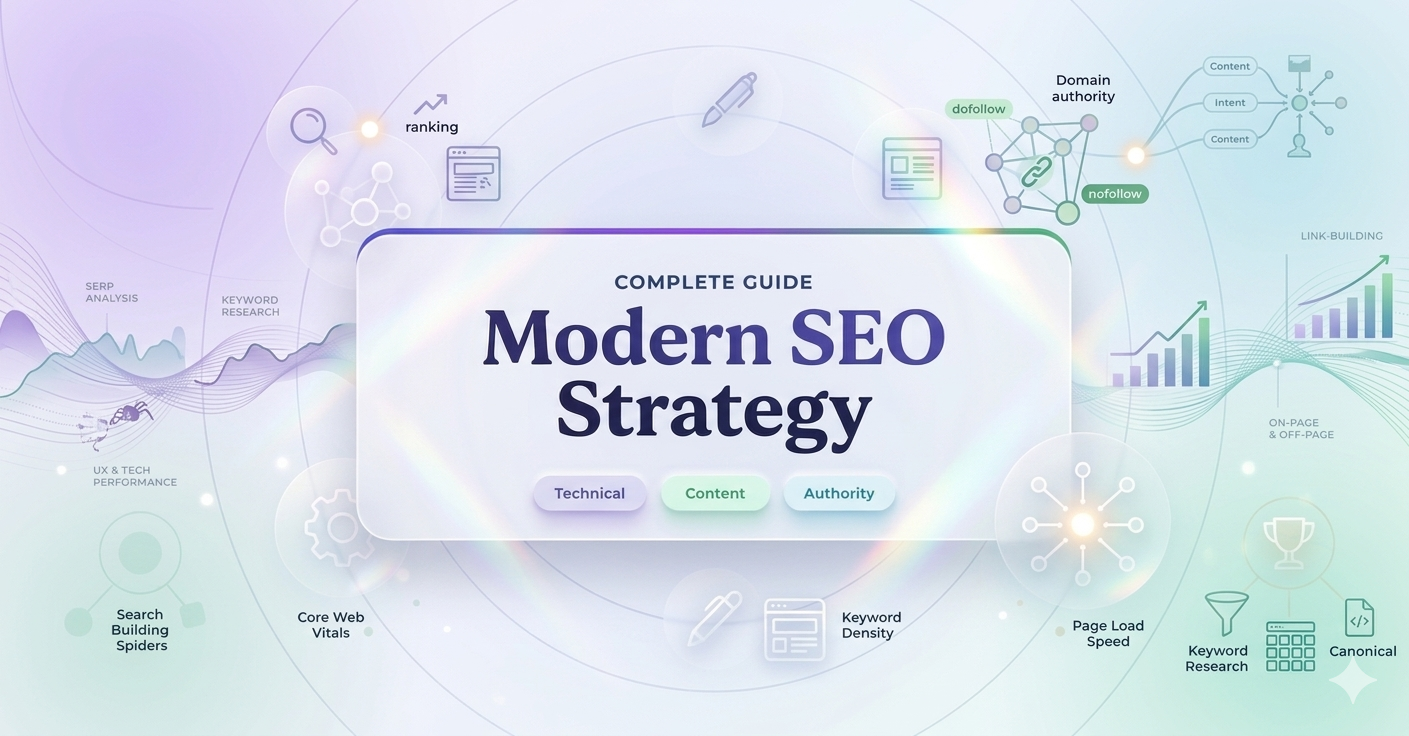
Opinions expressed by Business owner factors are their own. An effective SEO method can assist attract visitors and create leads for your company. By focusing on keyword research study, content quality, technical optimization and conversion, you can increase visibility, transform visitors into faithful clients and set your organization up for long-lasting success.
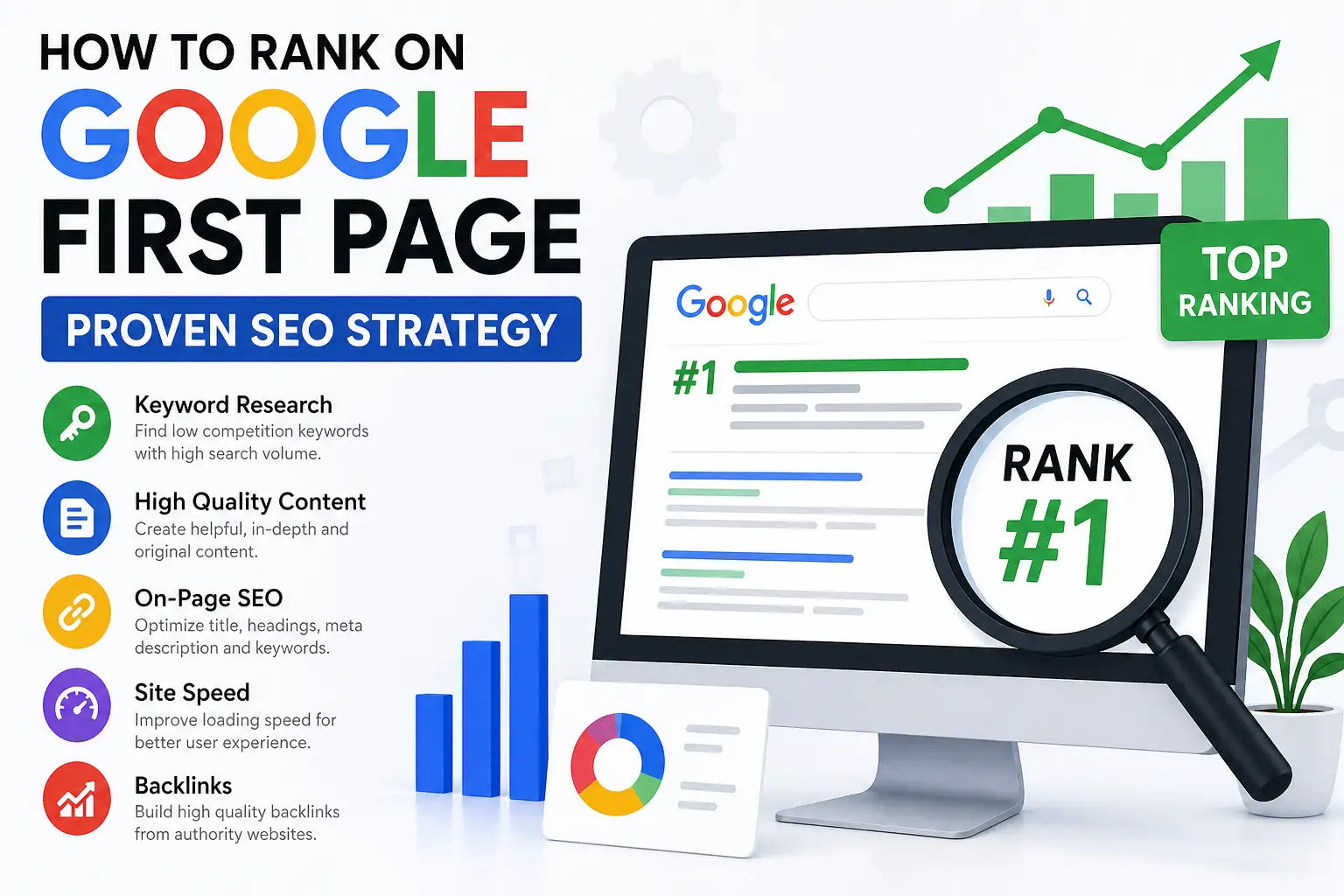
diagrams that workBy optimizing your site and material, SEO helps attract traffic, enhance trustworthiness and support long-lasting success. Here's how SEO can support development, from increasing presence to cultivating customer engagement: Increased exposure: SEO helps your company appear greater in search engine results, making it much easier for consumers to find you.
Cost-effectiveness: Compared to paid advertisements, SEO typically offers a higher return on financial investment by driving consistent, organic traffic without ongoing ad spend. Structure authority: Publishing high-quality, valuable material and securing backlinks can position your organization as an authority, constructing trust with possible consumers. Long-lasting development: SEO uses advantages that compound with time, supporting sustainable development and consumer retention.
High-Level Analyses for Global Presence
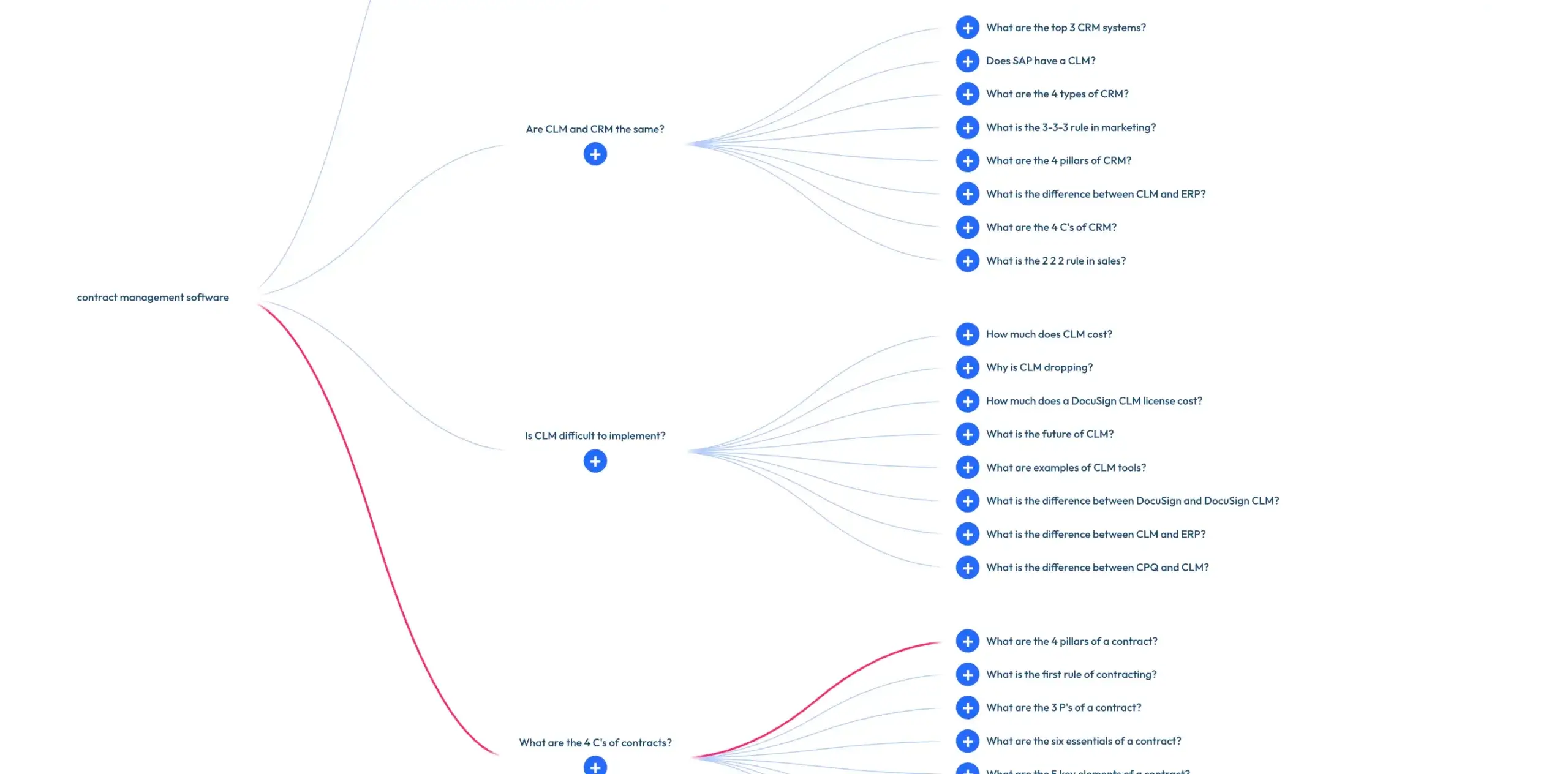
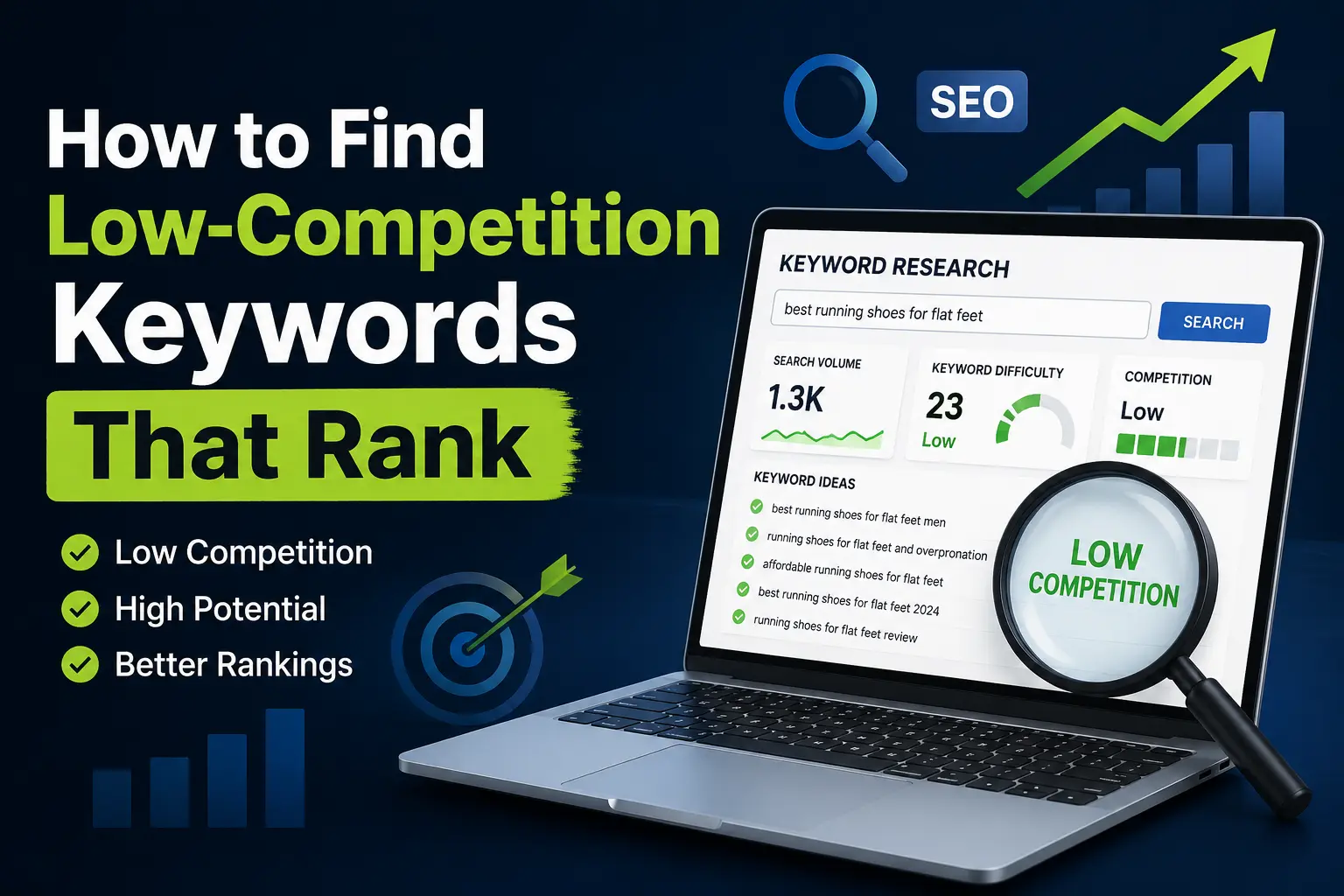
Identify keywords that show different phases of the consumer journey, from those who are researching options to those all set to buy. Consider these types of keywords: Informative keywords: These draw in users looking to learn about a topic, such as "how to enhance group partnership."Business keywords: These are for users exploring particular products, like "best task management software application."Transactional keywords: These indicate that the user is ready to take action, such as "buy task management software application."Navigational keywords: These are used by searchers searching for specific sites, like "Trello login."By targeting these keywords effectively, you can develop content that guides users through their decision-making procedure, ultimately resulting in higher conversion rates.
On-Page SEO focuses on enhancing specific pages to enhance search presence: Title and meta tags: Use pertinent keywords in titles, meta descriptions and headers.
Technical SEO ensures your site works smoothly and is easy for online search engine to index: Mobile-friendliness: Enhance for mobile gadgets utilizing responsive design. Website speed: Improve packing times to minimize bounce rates; use tools like Google PageSpeed Insights for analysis. Safe and secure surfing: Use HTTPS to safeguard user information and improve trust.