Emerging SEO Movements to Adopt in 2026

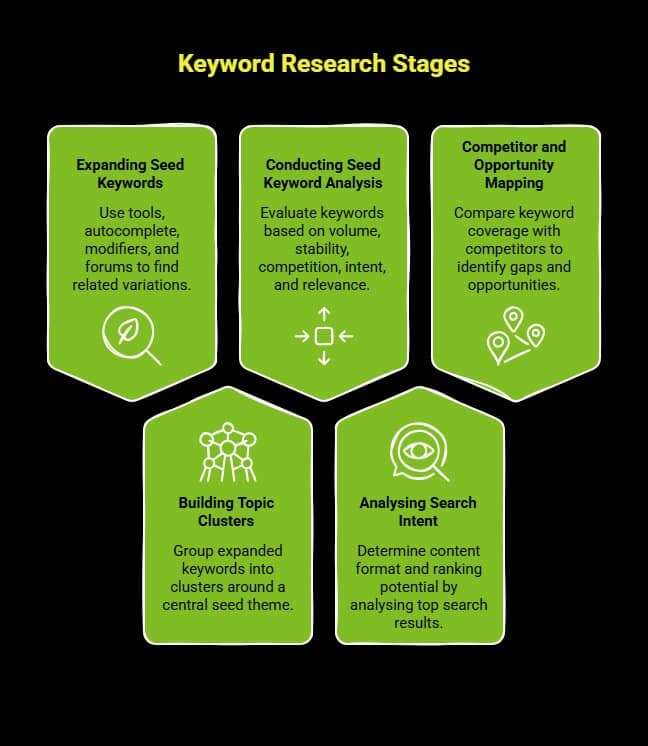
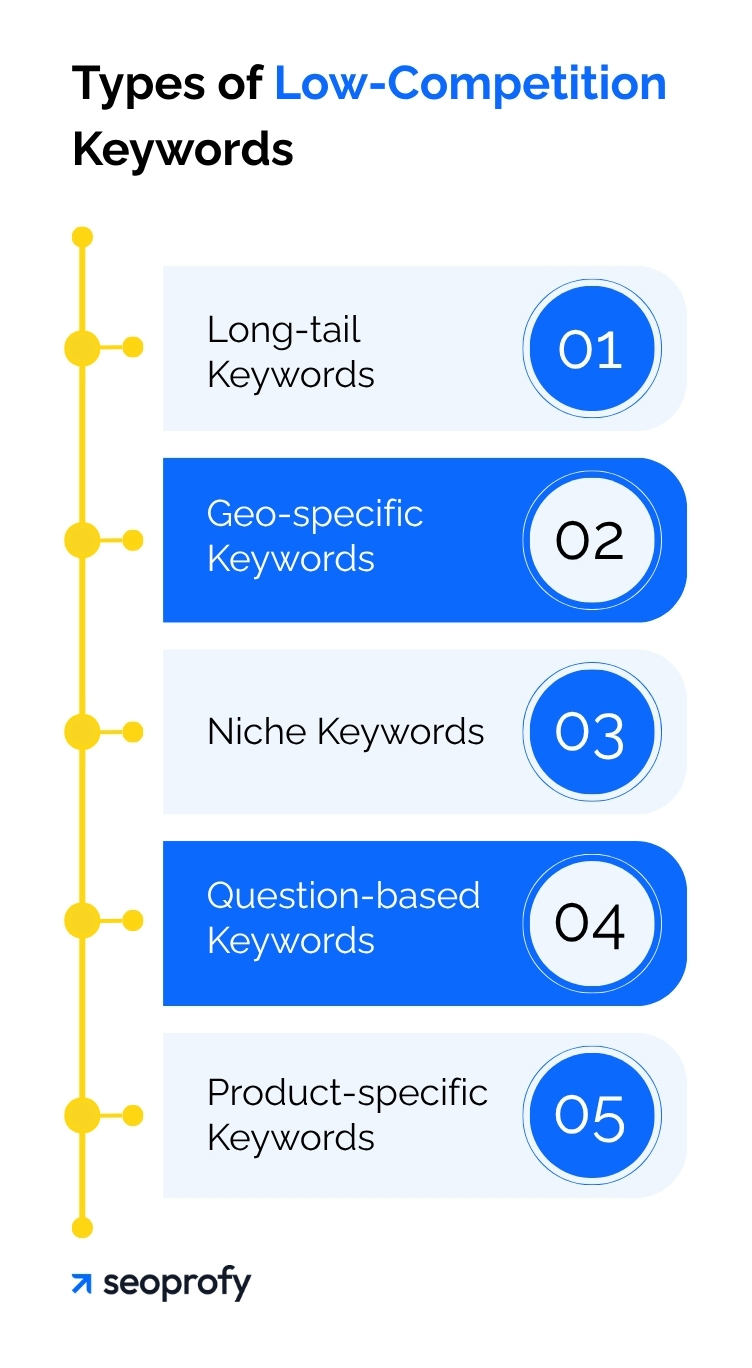
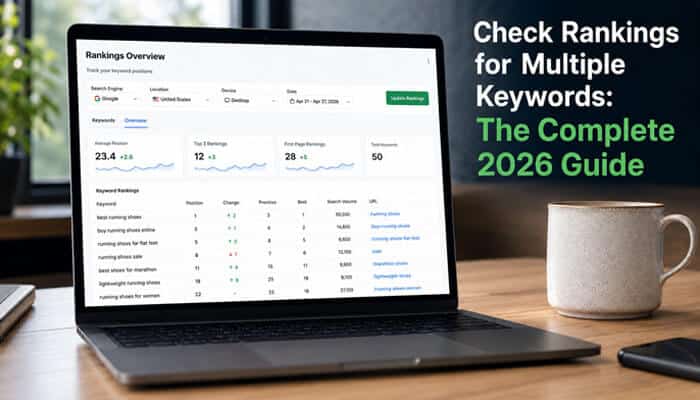
Keywords should match the search terms users type into search engines. So, it is very important that your websites include the keywords your audience is looking for, in addition to matching their search intent and monitoring your keyword rankings. That way, Google can raise your page in its search engine result.
Compose irresistible meta descriptions and include your focus keyword so users understand what your page is about and click it. Because Google can not read images, you can add your keywords in the image alt text area to inform what the visual has to do with. Google utilizes anchor text to learn what the page has to do with, so you can utilize your keywords for anchor text when linking your pages.
LSI keywords help Google to figure out what your material is about even more precisely. These words likewise suggest to Google that you're covering a topic completely.
Attempt to include your focus keyword a few times and mix things up with variations and secondary keywords. You can even more enhance material by utilizing keyword variations and LSI keywords in H2 and H3 headings of your post. Preferably, your primary keyword is consisted of in the website's URL. For a tutorial short article where your keyphrase is "how to beat donkey kong," the URL may be something like.
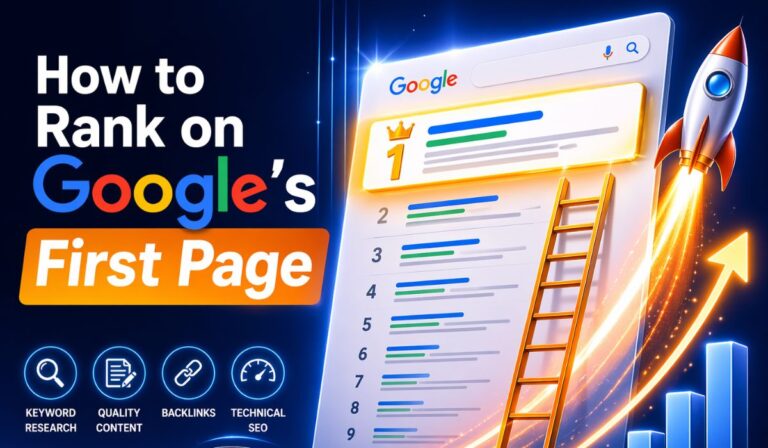
Those are your fastest opportunities a material update, more powerful internal links, or a more engaging introduction can typically push those pages to page 1 without starting from scratch. While keyword optimization is essential, another factor you ought to consider is your site's structure, especially if you're releasing a new site. Your site's architecture is essential from a crawling and indexing perspective.
Media Creation to Increase Inbound Reach
To speed up the indexing of new and updated material, you can begin by creating a sitemap in WordPress. A sitemap contains all the essential pages that you desire the search engine to learn about. Sitemaps assist the Google crawler to navigate through your website, find new material, and index your pages.
This can enhance your rankings for those specific types of content in Google search.
It determines which pages search engine spiders should crawl and which they need to prevent. As an outcome, you'll save crawl quota, and the bots will not visit unneeded pages, like the admin page.
Money Robot comparisonGoogle validated in 2014 that HTTPS is a ranking signal. If your site doesn't have an SSL certificate and is still utilizing in its URL, now would be a great time to upgrade. You can follow this guide on how to appropriately move a WordPress site from HTTP to HTTPS.
Content Planning to Increase Inbound Reach
These metrics give Google more details about your visitors' user experience. How does Google measure on-page experience? It uses numerous ranking signals like: The percentage of users that click on your site link in the search results page. When you enhance your CTR with better titles and meta descriptions, you make sure to get a boost in your rankings.
If a high percentage of people click through to your site and then struck the back button without interacting, Google judges that page as not relevant to searchers and drops its rank. This measures how long a visitor remains on your site after originating from Google search engine result. The greater the dwell time, the much better your user engagement is.
While we have actually tried to list the most typical and important ranking signals, there are certainly lots of more. But if you master these principles first, we ensure you'll see a major enhancement in Google rankings and natural search traffic. The 3 essential Google ranking factors are premium material, backlinks, and search intent positioning.
Authoritative backlinks signal trust, and matching search intent makes sure Google sees your page as the best response for a provided question. Google uses over 200 ranking aspects in its search algorithm.

%20SEO%20Basics%20for%20Students%20How%20to%20Rank%20Your%20First%20Website%20in%20Google%20(2026%20Guide).png)