High-Level Analyses to Improve Global Visibility
Often the primary program page the one trainees are expected to arrive on is a wall of brochure text, a course grid, or a list of accreditation codes. If it was developed for the registrar and not the trainee, it's working versus you. Make a list of your top program pages and ask truthfully: Does this page actually respond to anything a student would ask!.?. !? Homepages are generally well kept, but trainees rarely enter there.
Your homepage sets the tone; program pages need to answer concerns, reveal results, and convince humans (and Google, and AI) you're the best choice. Treat each program page like its own mini-website: it should be able to stand alone and answer "Why here? Why this program?
Do not stress about perfection, but do respect search behavior. A prospective trainee searching "online nursing master's" and one browsing "MSN program" are asking the very same concern; your page must have the ability to respond to both. Those small summaries under search outcomes? They matter. Write short, human-friendly descriptions that inform a student, "Yes, click me!" They don't enhance rankings directly, but Google reads them for summaries and a well-written meta can be the difference between a click and a scroll past.
vs. Simple. Detailed. Clear. Makes people AND robotics happy. Invest 10 minutes inspecting the URLs of your leading pages. You may not have the ability to change them overnight, however documenting the problem is the initial step toward repairing it, and clean URLs pay dividends in click-through rates. If it checks out like a faculty proposal, it's most likely hurting you.
Dominating the SEO Landscape in 2026
AI summarizes. Neither one is impressed by passive voice and lingo. Add H2s, bullets, or sub-points to make pages scannable.
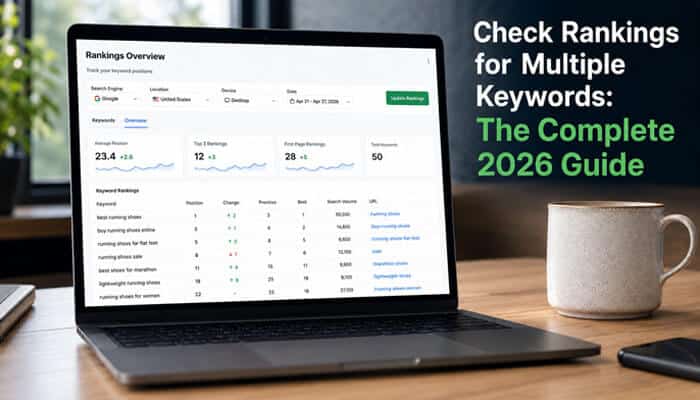
diagrams for backlinksUsage incognito or SEMrush. Otherwise, you'll think you're # 1 when students somewhere else barely see you. Better yet, ask a coworker in a various city or a genuine prospective trainee to search and screenshot what they see.
These suggestions focus on how you arrange, identify, and connect info throughout your site, which is increasingly how AI tools choose what's worth emerging. Student questions deserve a home. Map where FAQs could reside on program pages. H2s/H3s for concerns, answers beneath. Keeps pages scannable and AI-ready. Think of the concerns your admissions group answers on repeat.
Ask ChatGPT like a student would: "I want a strong organization program near Chicago with a small campus. The results reveal what AI sees and what's missing out on from your pages.
Do this for five or 6 various program questions and document the patterns. Copy need to respond to actual questions, not faculty-speak. Before publishing any page upgrade, read it aloud.
Attracting Quality Organic Traffic Using Smart SEO
It's the distinction between a page that looks like a program page and one that is definitively recognized as one. It's not thrilling, but without it, pages are more difficult to appear in AI answers.

Show why the program exists, who it's for, and what graduates go on to do. Personality + context = future-proof visibility. The programs that perform best in both search and AI aren't simply keyword-dense; they have a coherent story that clearly addresses the "why this program?" question. Detailed filenames, alt text, and compression.
Benefit: ease of access points. "" informs AI nothing. "" informs it a fair bit. This is a fast win your group can batch-process throughout a whole program area in an afternoon. Link program pages to associated material: courses, faculty bios, results data, pertinent article. This helps humans navigate much deeper into your website and helps browse platforms comprehend the relationships between pages and topics.
Natural Q&A language assists AI surface your pages when students ask conversational concerns, which is how an increasing quantity of searches occur, especially in AI platforms.

%20SEO%20Basics%20for%20Students%20How%20to%20Rank%20Your%20First%20Website%20in%20Google%20(2026%20Guide).png)