How to Scale Organic Growth in Changing Landscapes
Build video properties with ingrained purchase activates and assign them full-funnel measurement., increased policy, and increased customer sensitivity around data mean you should look inward: Your first-party information, consent-based profiling, and data architecture become your competitive.
You need to build a "data spinal column" approval capture, a robust consumer data platform (CDP), conversion event APIs (such as from paid platforms), identity resolution, and incorporate offline + online signals.: Make first-party data and measurement architecture a foundational pillar of your 2026 strategy. Without it, media financial investment and optimization will break down rapidly.
Due to the fact that they combine abundant first-party purchase or transaction information with premium placement, they offer one of the couple of "full-funnel" channels where direct exposure, consideration, and conversion can be directly tied to genuine SKU-level results. According to recent reporting by Service Expert, RMN advertisement invest is predicted to reach roughly $62 billion in 2025, representing about 17.9% of all digital media spend and the expectation is that share will exceed 20% in 2026.
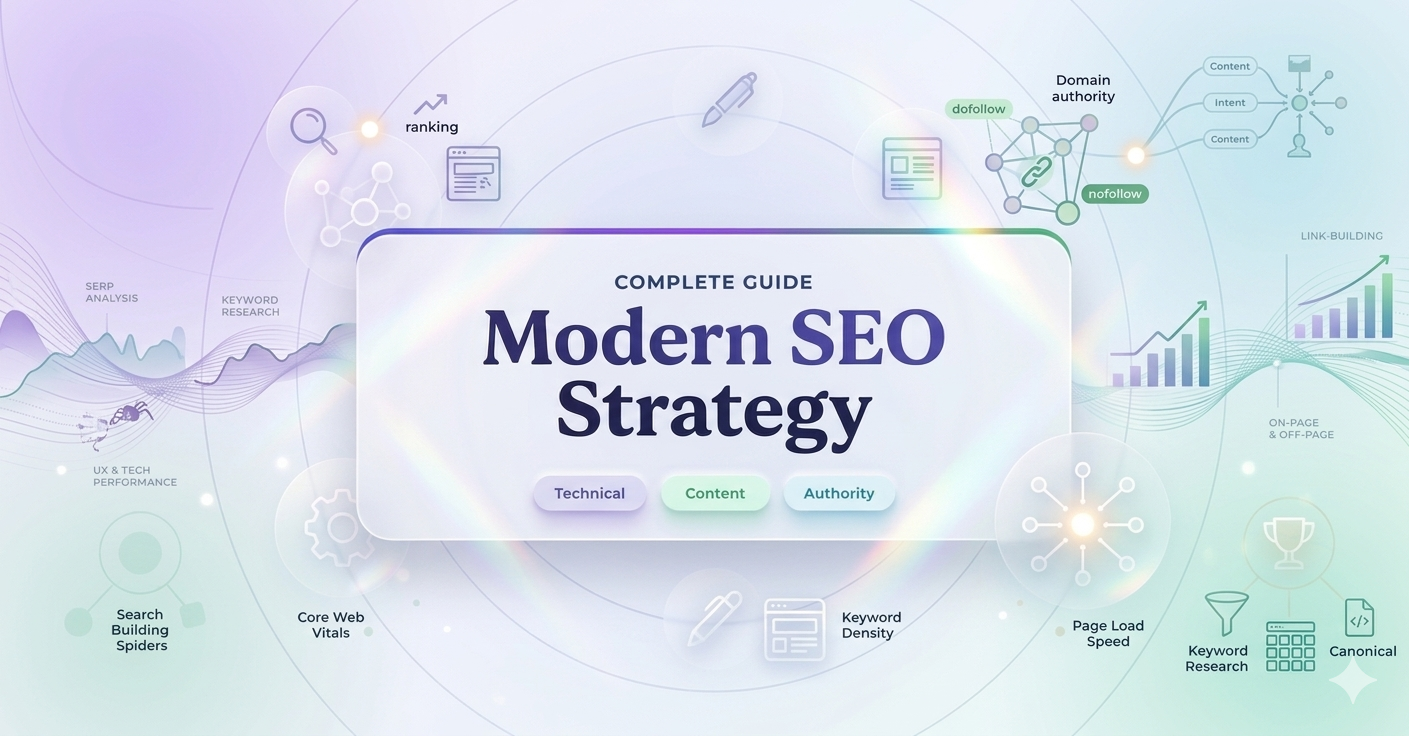
key to SEO success diagrams
How to Maintain Organic Growth in Shifting Landscapes
If you're still seeing RMNs as tactical or speculative, then you risk lagging behind brands that build internal abilities now.: Construct your RMN method today. In 2026, the shift is from paying developers to publish, to co-creating with creators product, campaign, community.
Academic research validates that remains essential, yet the landscape is moving towards much deeper collaborations and ownership of innovative strategy. Brands will progressively structure programs where creators ideate product functions, produce limited-edition lines, or take part in project planning. The value: authenticity, niche affinity, and stronger performance than generic sponsorship.: Shift from "influencer as amplifier" to "developer as partner." Embed creators in product, marketing, and measurement cycles, and treat them as co-owners of the brand experience.
The real breakthrough in 2026 is AI as the operating system behind marketing: analytics, optimization, media purchasing, workflow automation, client journeys. Brands might quickly provide a product image and spending plan and let the AI develop the advertisement, target it, enhance it.
Why EEAT Is the Core of Success
: The decision is no longer "Should we utilize AI?" but "How do we govern, incorporate and scale AI throughout planning, innovative, measurement and optimization?" It indicates human-in-the-loop becomes necessary people set strategy, guard for bias, guarantee brand name safety while AI executes at scale.: Treat AI as your marketing OS.
Upskill teams appropriately (see Trend 10). With traditional attribution (last click, multi-touch) collapsing under the weight of personal privacy, walled gardens, and cross-device fragmentation, marketing mix modeling (MMM) is regaining prominence as the lens through which brands step organization effect. According to stats on EMARKETER, "by 2026, programmatic techniques will account for," And given these volumes, brand names require robust measurement structures that surpass platform-provided attribution.
key to SEO success diagramsFor 2026, you ought to develop or refine your MMM engine and guarantee it incorporates both online and offline, along with walled-garden signals.: Purchase MMM facilities, align media groups with finance/analytics, and report marketing performance in organization terms (incremental lift, ROI), not simply vanity metrics. The boundary between home entertainment, engagement, and commerce continues to blur.