Is Your SEO Strategy Ready for Future Algos?

Choose business that operate in the exact same area and market as you, then zoom in on the ones that represent the greatest danger to your organization. Once you have a list of your main competitors, run it through an SEO tool like SEMrush to find keyword spaces keywords that your competitors rank well for, but you do not.
You can filter to reveal just the keywords competitors rank for that you're losing out on. Let's say you're Home Depot. You might get in Lowe's domain along with your own for a side-by-side comparison. From there, you can select the keywords that Lowe's is ranking for that you're missing out on.
These may suggest that your technique requires remodeling, or possibly you've determined a niche your rivals have actually missed. The initial keyword space results may consist of some irrelevant or low-value keywords. To fine-tune the list, filter by search intent and crank up the keyword difficulty threshold; that method, you'll get rid of outliers and surface area the most appropriate, high-value keyword opportunities you're missing out on.
Don't simply look at what keywords your rivals are ranking for, but how much effort they're putting into those pages. Are they producing top quality, in-depth material?
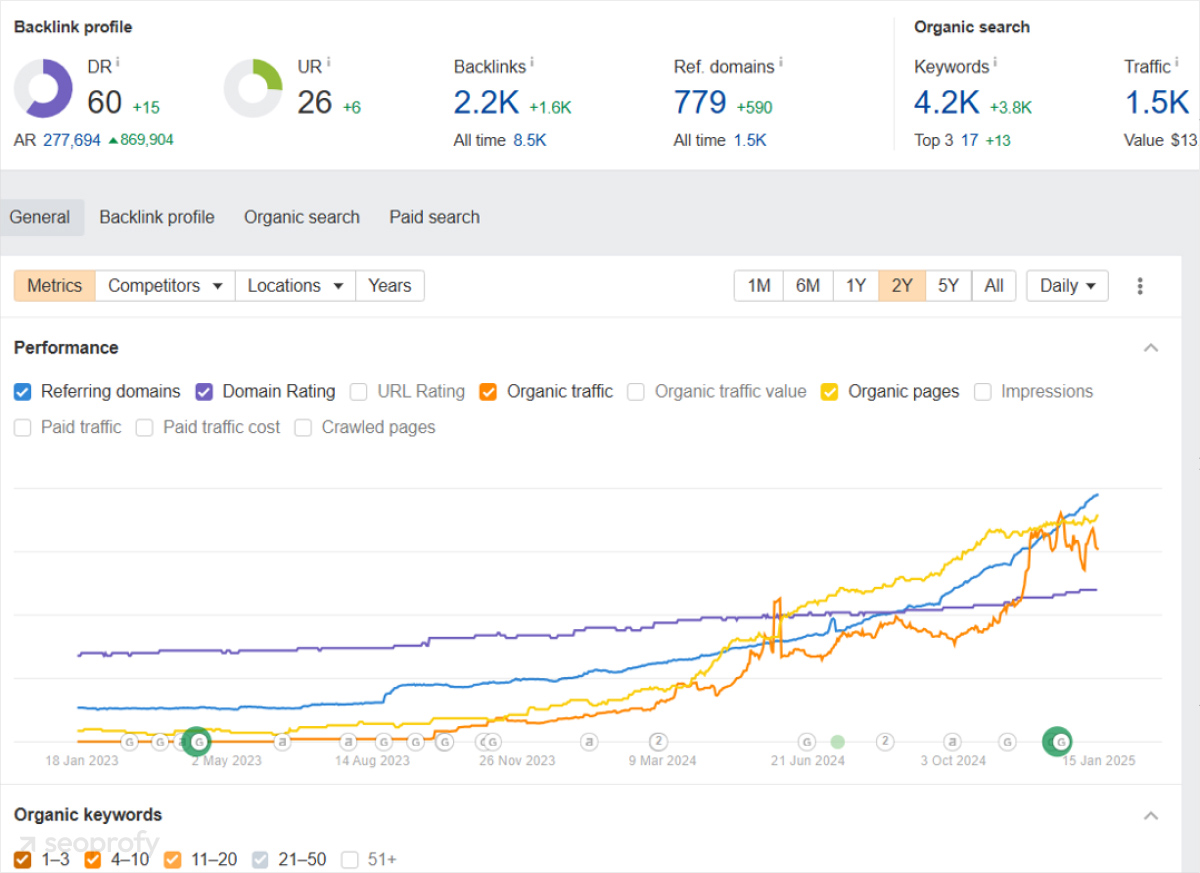
All of these aspects point to the effort they've invested in creating the material for this page. There's more to SEO than simply keywords; looking at your rivals' backlink profiles is a terrific method to get to grips with their off-page SEO strategies. Utilize a tool like SEMrush's Backlink Analytics to evaluate things like: The authority level of the websites linking to them.
Generating High SEO Returns in a Tough Niche
The kinds of pages (e.g. blog posts, directory sites, news websites) that connect to them. Does it appear like your competitor has hung out and money trying to get backlinks from particular sites, or specific types of sites? The law of effort uses here too, so if the answer is 'yes', you've discovered something useful.
It's also rewarding to analyze the on-page aspects of your rivals' websites. On-page SEO work, like enhancing headers and metadata, isn't that lengthy, however it tells you how your rival desires people to see the page. Page-speed metrics, too, can inform you a lot about the pages your competitor is prioritizing.
These pages are probably worth something to the company and may be generating valuable leads. If this sounds like a great deal of work, do not stress screening rivals' web pages for speed could not be simpler. Simply drop the relevant URL into Google's tool at . It's uncommon for even well-optimized pages to pass the Mobile Core Web Vitals assessment.
Is Your SEO Strategy Optimized for Future Algos?
By following the seven actions above, you'll get a well-rounded understanding of your rivals' SEO methods from both an on-page and off-page viewpoint. This information can then notify your own SEO concerns and content method. You can constantly dive much deeper down the bunny hole, analyzing your rivals' presence on social media, taking a look at online reviews, and taking a look at paid keyword information in Google Adwords.
Finally, make sure you consider what your findings mean for your own marketing technique. Don't simply blindly copy what your competitors are doing rather, use what you have actually found out to identify weak points in your strategy and fill gaps in your existing content. This will help you produce a marketing strategy that's tailored to your business objectives.
Evaluating your competitors helps you develop your own SEO and AI optimization technique. This process consists of examining their traffic, material gaps, and AI presence to help you understand what's working for brands like yours. In this guide, we'll break down what a rival analysis associates with more information, and why you ought to perform one for your business.
Money Robot Submitter demoIt's also crucial to factor in how your rivals perform on these platforms during your analysis. Whether you're a small organization owner or a business marketer, an SEO rival analysis allows you to: Identify the keywords or AI triggers where you need to be more noticeable Find traffic channels you may be neglecting Uncover segments of your audience you might be missing out on based on the content they're publishing Create a content calendar utilizing the material spaces between you and your competitors Discover third-party sites that connect to your competitors and could connect to you Find online neighborhoods that talk about your competitors however not youThe point of a competitor analysis isn't to copy your rivals' methods.