Leveraging Predictive Analysis to Establish Search Authority
Examine your competitors' visibility in AI features like Google's AI Overviews and AI Mode to comprehend what's working for them beyond basic organic rankings. Do this with the Semrush AI Presence Toolkit to track your exposure compared to your competitors with time, and to see what specific prompts they appear for that you do not.
Enter your domain and up to 4 competitors to see your exposure, audience size, and number of discusses over time. This shows you all the prompts your rivals are appearing for that you're not, sorted by topic.
Look for triggers that are pertinent to your company that you do not currently appear for. These are prompts you can enhance for within existing material, or you can create new material around them.
Winning in Difficult Niches Using High-Level SEO
Is the competitor taking a strong position, or producing a neutral summary? If you're developing or updating a similar page, this analysis can notify the audience you might desire to speak to.
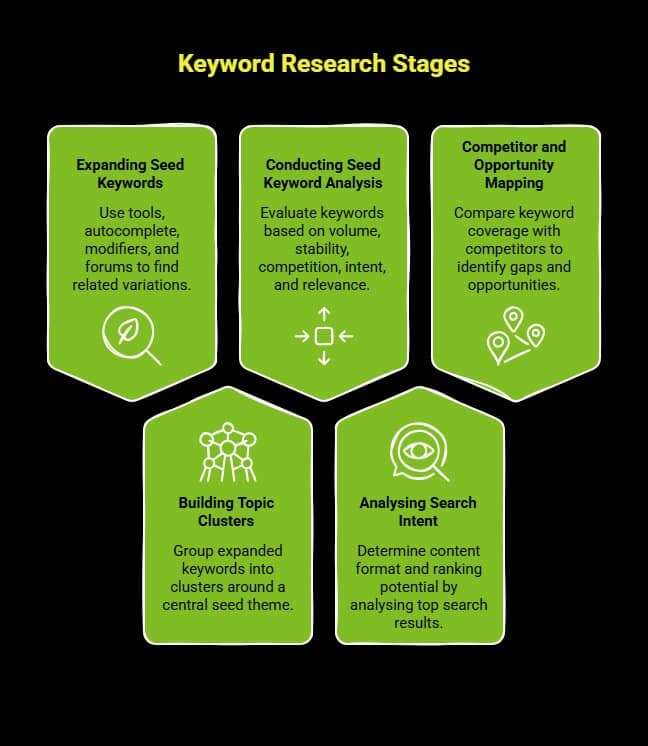
Next, map the H2s on your rivals' leading pages. You shouldn't simply blindly copy this, but if you see a number of high-ranking competitors structure a page in similar ways, that structure is likely what Google is satisfying.
Next, inspect how competitors frame the page in search results page. Does the title lead with the main keyword? Do they utilize numbers, modifiers like "guide" or "checklist," or audience-specific qualifiers? These options show how they're translating what the searcher wants, and this can help you comprehend how to compose your own title tags to stand out in search results page.
Commanding Organic Visibility Using Proven Ranking Hacks
Do authors have bios with credentials specific to the topic? Is the material citing initial sources, exclusive data, or specialist quotes? File your on-page analysis findings in the design template. Examine your competitor's backlinks to discover opportunities to construct links to your own website and enhance your authority. Initially, look at trends to comprehend your rivals' link building efforts, then run a backlink space analysis.
To find these patterns, use Semrush's Backlinks tool to run an audit for a competing domain. Pay attention to the following graphs:: A quote of how much a domain's general authority changed over the previous year Shows changes in the variety of distinct sites connecting to your competitor over the last year Reveals the variety of links from other websites to your competitor over a 12-month periodIf you see a rapid boost in any of the 3 graphs, it might suggest that your rival has actually been running a successful link building campaign.
In Semrush's Backlink Gap tool, you can compare yourself and up to 3 rivals at the same time. Add your domain and your competitors', click "," and the tool will return a list of sites connecting to your competitors but not to you. For each referring domain, you can click the number of backlinks in your rival's column.
Select the domains you want to reach out to and click "" and then "" to conserve them to your SEO project. Utilize the content concepts area to note what types of material earn your competitors the most links.
Building Effective Backlink Profiles for Peak Visibility
This can increase your chances of ranking greater and being mentioned or pointed out in AI-generated reactions. Go into your rivals' social media presence by examining their publishing frequency, leading platforms, user engagement levels, and advertising angles they utilize. Social network presence isn't a Google ranking aspect. Social media posts can appear in search and AI outcomes.
If your competitors post numerous times each week, it's an indication social networks might be driving significant engagement and results for them. Take a look at their top-performing posts to understand the type of content they share that resonates with their audience.: Your audience likely usages several community platforms to research brand names and discuss their concerns, not simply private brand websites.
Complete the social networks, neighborhood existence, and brand mentions areas in the design template. If you take on other companies in a specific geographical area, element local SEO into your competitive analysis. Do this by examining their Google Service Profile (GBP), evaluates, and visibility for local searches. For each of your direct competitors, check if they have a GBP set up.
High-Level Strategic Intel for Difficult Terms
In addition to examining reviews, determine your competitors' visibility in local searches. If you have a pet dog grooming business in San Francisco, you may audit rival visibility for questions like: Dog grooming in San Francisco Family pet groomers in San Francisco Dog groomers near Pacific Heights, San FranciscoFor these questions, log which rivals show up and where they rank in local search results compared to you.
Log GBP information, local search rankings, and AI platform leads to the template. The 8 actions we've covered above ought to offer you extensive insights into your rivals' exposure throughout search and AI platforms. You must comprehend their strengths and weak points, and have a great concept of where to focus your material strategy to get and stay ahead.
To get constant competitor insights, set up Semrush's My Reports tool and start with one of the SEO competitive analysis templates. The "Monthly Rival Analysis" template breaks down competitor traffic efficiency, backlinks, paid search, and social media. Get going with a totally free trial today.
Developing Scalable Search Frameworks for Rapid Growth
Have you ever attempted to compare your SEO to rivals? Chances are you didn't know where to start. Competitive analysis in SEO might appear like it must be reserved for firms with their costly tools and years of experience. The reality is you actually can do a lot of the very same work yourself.
We bet you'll even discover some chances to strengthen your own. Ready to learn how to check competitor SEO? Here's what you need to understand. DIY rival analysis is possible even without access to company tools. Agencies analyze technical, structural, content, and off-site signs to determine SEO health. A mix of totally free and paid tools makes it possible to evaluate rival performance.
You've heard of competitive analysis, however do you truly comprehend what it indicates? What about how to do rival analysis for SEO? An SEO rival analysis reviews how other sites rank, generally in natural Google search results page, what aspects contribute to their visibility, and where opportunities exist for your own material.

%20SEO%20Basics%20for%20Students%20How%20to%20Rank%20Your%20First%20Website%20in%20Google%20(2026%20Guide).png)