Optimizing for Search Intent to Maintain Top Spots
Upgrading existing content that's currently indexed can produce faster outcomes than releasing from scratch. E-E-A-T stands for Experience, Expertise, Authoritativeness, and Trustworthiness a set of quality requirements Google uses to examine material. Pages that demonstrate real-world experience, cite reputable sources, and come from authoritative websites tend to rank greater. E-E-A-T is especially essential for topics related to health, financing, legal recommendations, and item reviews.
If you want to go deeper on SEO and traffic growth, check out the following beginner-friendly guides: Finally, don't forget to follow us on Facebook and YouTube for more practical evaluations, tutorials, and Google Analytics suggestions. Click the stars to rate Average score 3.8/ 5.
To rank greater on Google, develop a sound tech foundation for a smooth user experience and mobile accessibility, create handy, original material that addresses your audience's search intent, optimize for appropriate keywords, and develop a top quality backlink profile and natural brand discusses. Summarize this post in: Yet, knowing what matters is something; doing it is another.
In this post, we discuss how to rank greater on Google and how precisely Google decides who to rank. Key Takeaways: Google uses automated systems to crawl, index, and rank pages based on hundreds of factors, not all of which it divulges. A slow, unsteady, or hard-to-navigate website can harm your rankings and user engagement, no matter how helpful your content is.
The E-E-A-T framework stays a cornerstone of Google's ranking system in 2025. As generative AI is redefining search, your goal should also be to turn into one of the sources AI systems recommendation. If you're a regional service, focus on local search engine optimization to be visible to the ideal audience close-by possible customers.
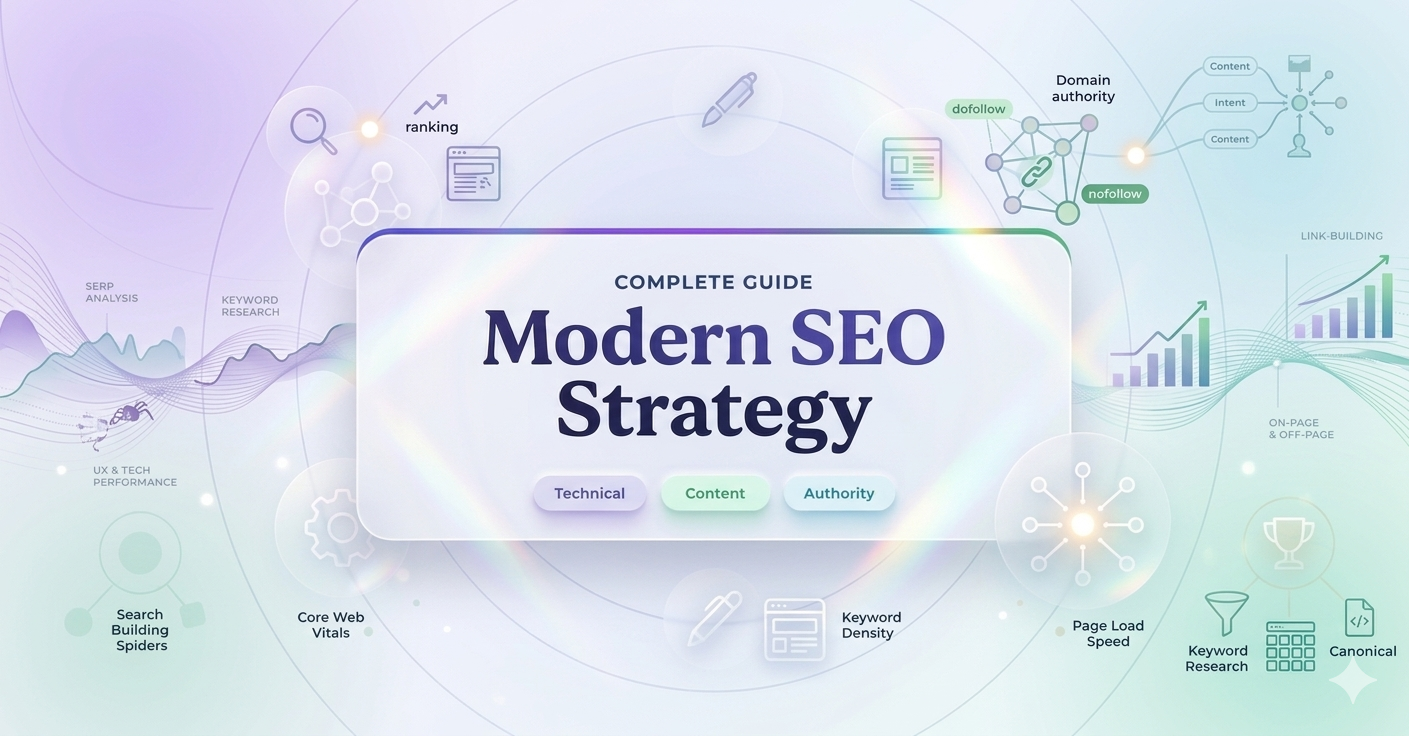
diagrams for SEO success
Content Strategy to Boost Inbound Traffic
It operates using entirely automated systems that crawl, index, and rank billions of websites in seconds. It counts on various ranking elements to arrange the outcomes, which we then receive on the search engine results page (SERP). Google doesn't expose a complete list of these aspects, it still shares guidelines about what it considers crucial: Of course, these are just some of the resources that explain how to rank greater on Google.
This must be a leading priority, as even the most interesting article might have a hard time to carry out well on a website with a bad page speed. Google serves pages that please the reason somebody searches. When you compose a particular piece of content, you ought to comprehend who you are composing for.
Others are just exploring their alternatives. After you've established a material technique in line with what your target market anticipates, the next thing to consider is why they need to really trust you. This is where E-E-A-T (Experience, Proficiency, Authoritativeness, Credibility) comes in. While not a direct ranking aspect, it shows the kind of quality Google's systems are developed to reward.
Next, we have the significant modification in current years AI search. Unexpectedly, your competitors' websites aren't the only search competitors; it's ChatGPT and Google itself summing up answers.
diagrams for SEO success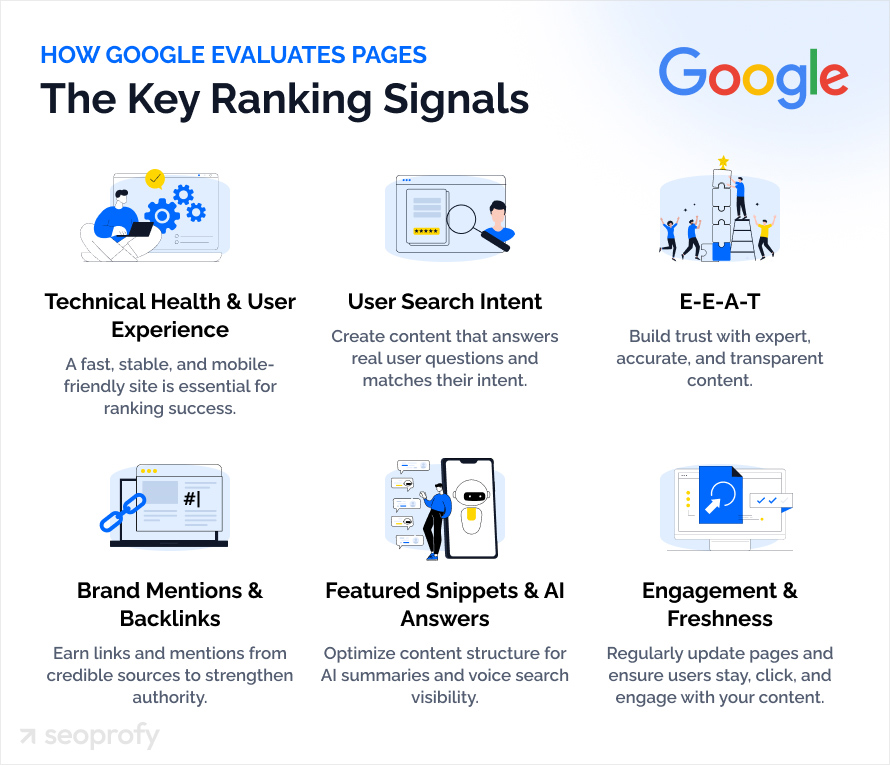
Now, let's check out how to improve Google rankings in information. Multiple technical factors impact rankings behind the scenes, and most of them can be measured and enhanced.
Media Strategy to Increase Inbound Reach
Here are some of them: Largest Contentful Paint (LCP) checks how quickly the main part of your page appears. Interaction to Next Paint (INP) measures how quickly your site responds when users connect with it. Cumulative Design Shift (CLS) assesses how stable your design is during page loading. If your site has a bad packing speed, or if the images move while the page is appearing, this can frustrate users and, hence, adversely affect your positions in Google search results.
This is what a Core Web Vitals assessment looks like in Google PageSpeed Insights: The bulk of individuals (63%) utilize a mobile phone to research study brands and items. Plus, Google uses mobile-first indexing, which implies your whole website's performance partially depends upon the mobile user experience. Here are some pointers to make your website mobile-friendly and increase Google ranking: Avoid small buttons, extreme pop-ups, and comparable problems that may frustrate mobile users.
Guarantee your mobile and desktop versions include the same structured information. Display your mobile advertisements in line with the Better Ads Standards. No successful SEO method can work without this aspect. If Google can't access your pages, they don't exist, a minimum of not in search engine result. Inspect, repair broken links, and submit sitemaps to ensure all vital pages, particularly revenue-generating ones, are noticeable to Google.