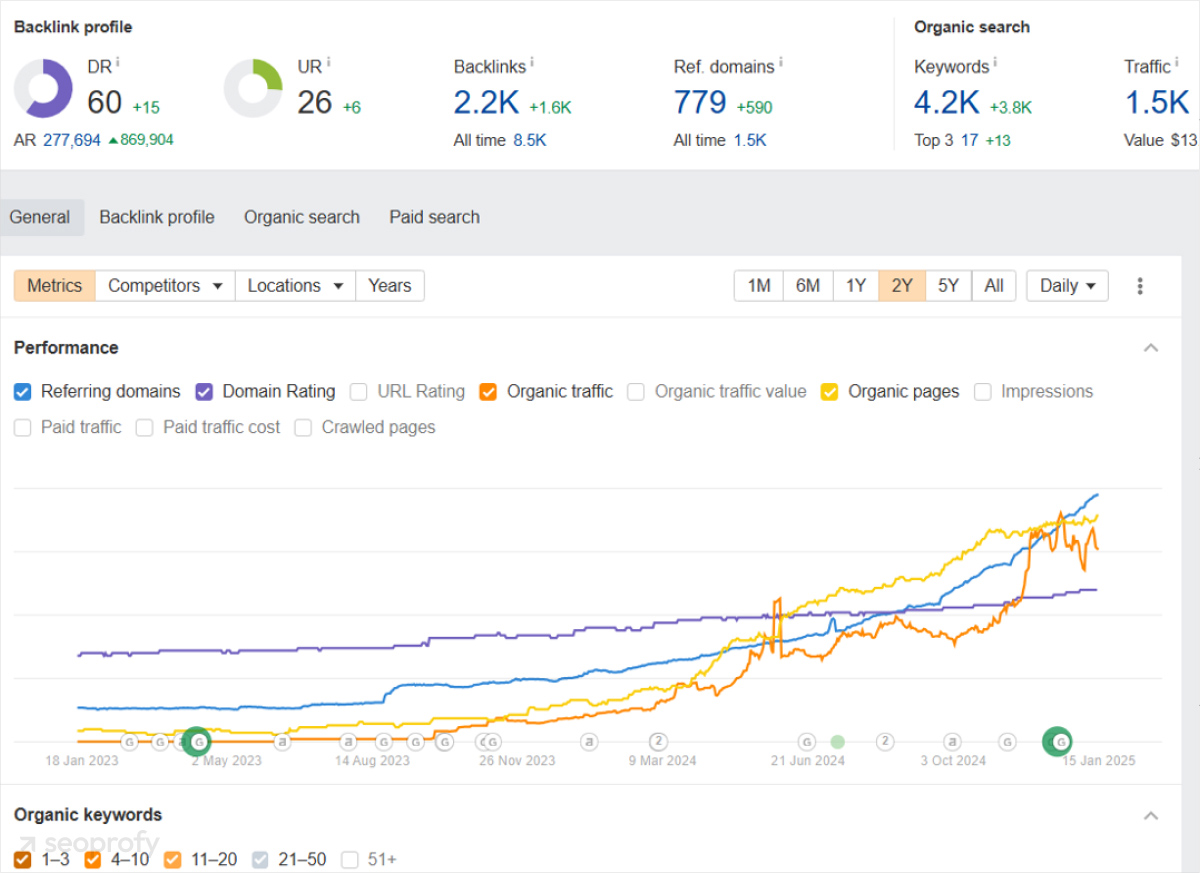
Ranking Highly Competitive Keywords Via Data Tactics

TThe simplest audit: open ChatGPT, Claude, or Gemini and search for your programs the way a trainee would. Take notes on what shows up and what doesn't. Ask the AI platform why your pages didn't make the cut.
Opinions revealed by Business owner contributors are their own. An effective SEO method can help attract visitors and create leads for your service. By focusing on keyword research, content quality, technical optimization and conversion, you can increase visibility, transform visitors into devoted clients and set your organization up for long-term success.
By enhancing your website and material, SEO helps bring in traffic, enhance credibility and assistance long-term success. Here's how SEO can support growth, from increasing visibility to promoting customer engagement: Increased exposure: SEO helps your business appear higher in search engine results, making it much easier for clients to discover you.
Cost-effectiveness: Compared to paid ads, SEO often offers a greater roi by driving constant, organic traffic without ongoing ad invest. Structure authority: Publishing high-quality, handy content and securing backlinks can position your business as an authority, building trust with possible customers. Long-term growth: SEO offers advantages that compound gradually, supporting sustainable growth and client retention.
Mastering the SEO Arena in 2026
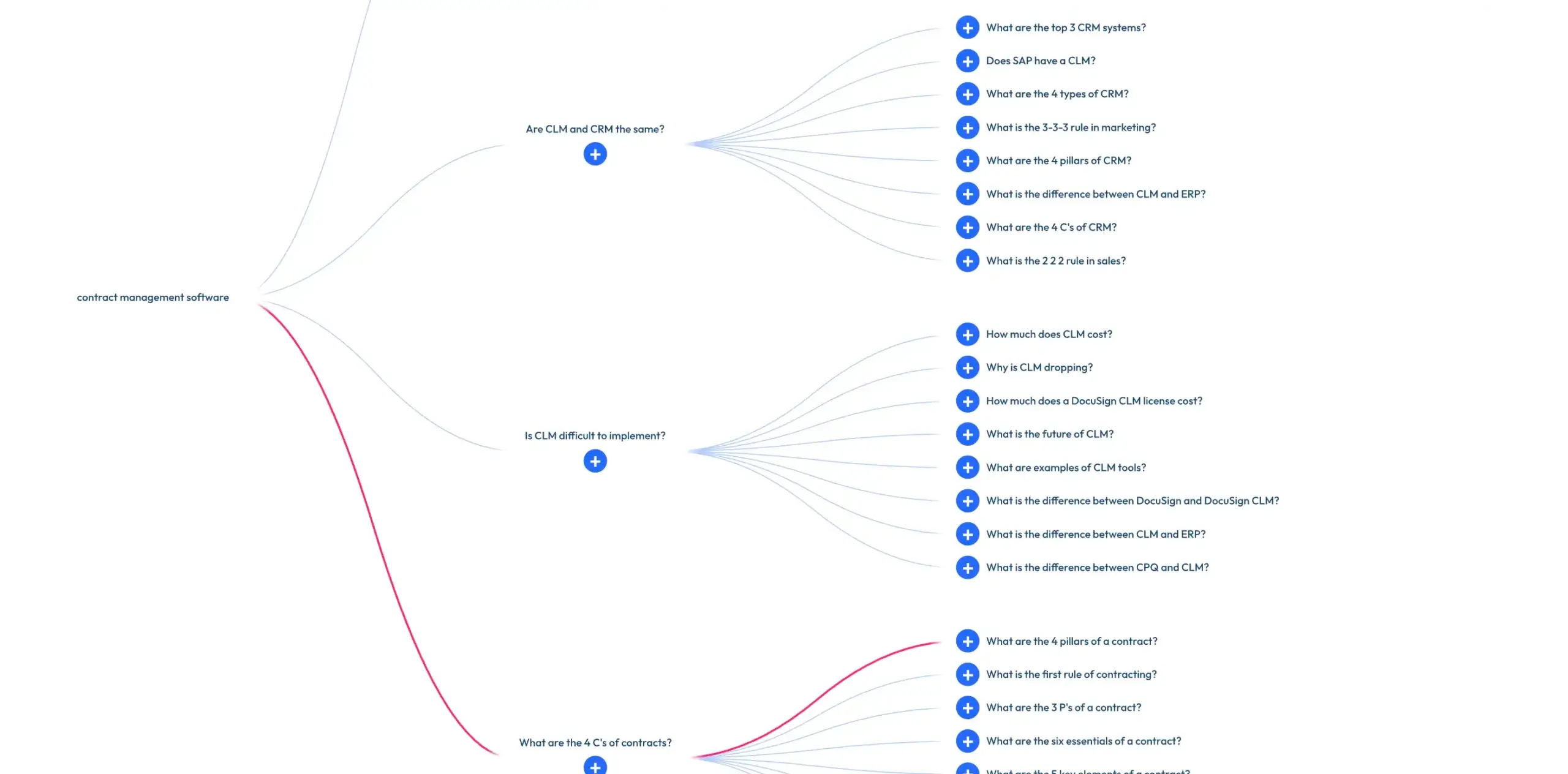
Consider these types of keywords: Informative keywords: These draw in users looking to discover about a subject, such as "how to improve team partnership."Navigational keywords: These are utilized by searchers looking for specific websites, like "Trello login."By targeting these keywords effectively, you can develop material that guides users through their decision-making procedure, ultimately leading to greater conversion rates.
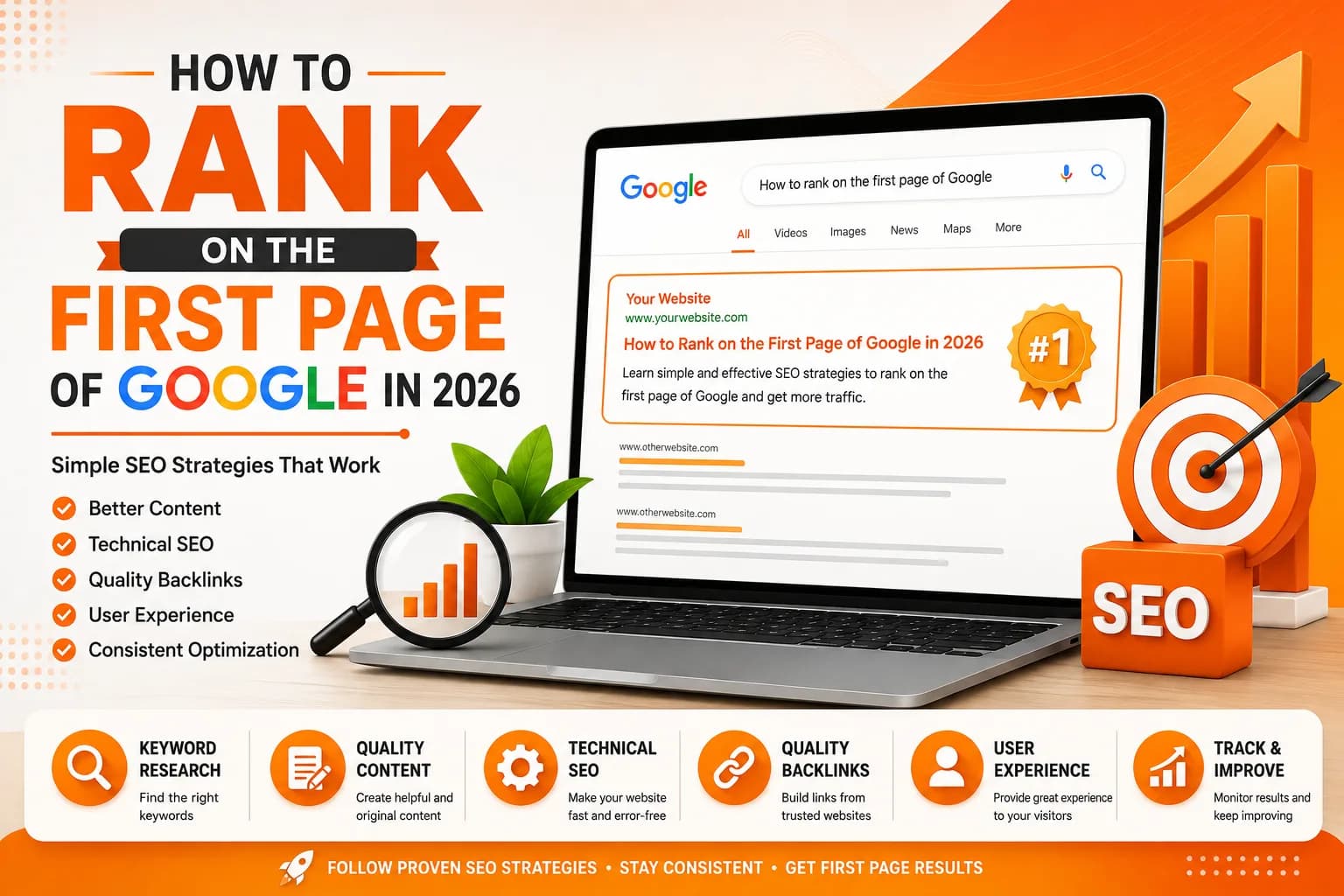
On-Page SEO focuses on enhancing individual pages to improve search exposure: Title and meta tags: Usage relevant keywords in titles, meta descriptions and headers.
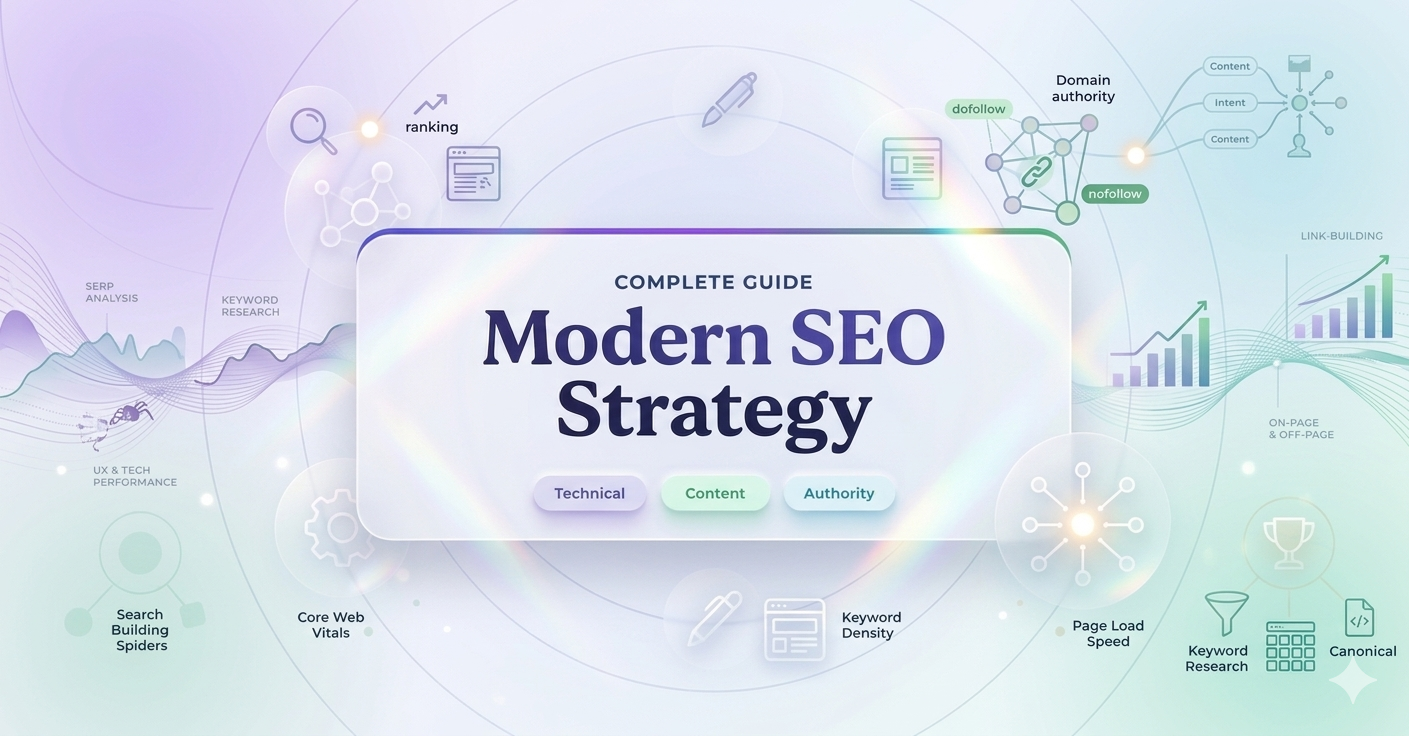
Technical SEO guarantees your site operates efficiently and is easy for search engines to index: Mobile-friendliness: Enhance for mobile phones using responsive style. Website speed: Enhance packing times to minimize bounce rates; usage tools like Google PageSpeed Insights for analysis. Safe browsing: Use HTTPS to protect user data and enhance trust.
Quality backlinks boost your site's authority and can enhance search rankings. Digital PR: Running PR projects or sharing distinct data can draw in attention and earn you important backlinks, building credibility and driving traffic. Create shareable material that journalists and bloggers would find important and be inclined to link to. Linkable assets: Establish top quality resources like guides or infographics that provide value and encourage others to link to your site.
Money Robot Submitter contentBuilding relationships within your market can also open doors for link-building opportunities, where you can share your knowledge and link back to your website. This not just assists with SEO however also positions you as a thought leader in your field. Driving traffic is just one part of the equation; converting visitors into customers is where the genuine success lies.
Proven Strategies to Scale Organic Traffic
User experience: A smooth, user-friendly site can improve conversions. Make sure navigation is instinctive which calls to action (CTAs) are clear and compelling. Test different components on your site, like headlines or CTAs, to identify what resonates best with your audience. Routinely examine user behavior and engagement metrics to fine-tune your approach.
Usage studies or feedback kinds to gather valuable details and carry out changes based upon this feedback. By prioritizing conversions and continually optimizing your techniques, you can increase your customer base and foster long-lasting relationships that drive recurring earnings. A well-rounded SEO strategy can help attract visitors and produce leads for your service.
Create shareable material that reporters and blog writers would find valuable and be inclined to link to. Linkable assets: Establish top quality resources like guides or infographics that supply value and encourage others to connect to your website.
Actionable Strategies for Boosting Inbound Reach
Building relationships within your industry can also open doors for link-building chances, where you can share your competence and link back to your site. This not only assists with SEO however likewise positions you as an idea leader in your field. Driving traffic is just one part of the formula; transforming visitors into consumers is where the real success lies.
Money Robot Submitter content
User experience: A smooth, user-friendly site can boost conversions. Guarantee navigation is user-friendly and that calls to action (CTAs) are clear and compelling. Test various components on your site, like headlines or CTAs, to determine what resonates best with your audience. Frequently analyze user habits and engagement metrics to fine-tune your technique.
By focusing on conversions and continuously enhancing your methods, you can increase your client base and foster long-term relationships that drive recurring income.